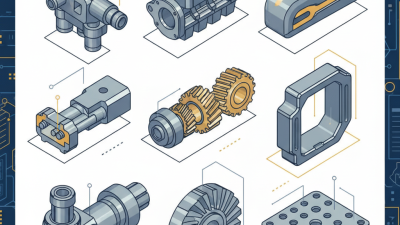
Picking the right Precision Cnc Milling Components can really make a difference in how your manufacturing turns out. At first glance, choosing them might seem pretty straightforward, but there's actually a bit more to consider. Things like whether the material matches your needs, the precision you require in size, and what you’re actually planning to use these components for — all that matters.
Honestly, every little detail counts here. For example, you want the tolerances of your parts to line up perfectly with your project's specs. Skimp on that, and you might end up with components that don’t fit right or don’t work as they should. It’s a mistake a lot of folks make without realizing it, and then they end up spending more fixing problems later.
Also, don’t forget to check out who’s supplying these parts. A solid, reputable company like XYZ Manufacturing can really help out — they’re usually up-to-speed on the latest innovations in Precision CNC milling Components. Plus, they can walk you through complicated specs and make sure what you get meets the industry’s high standards. Spending some extra time on this now pays off in the end, giving you better results and showing you care about quality in your work.
Understanding CNC Milling and Its Applications
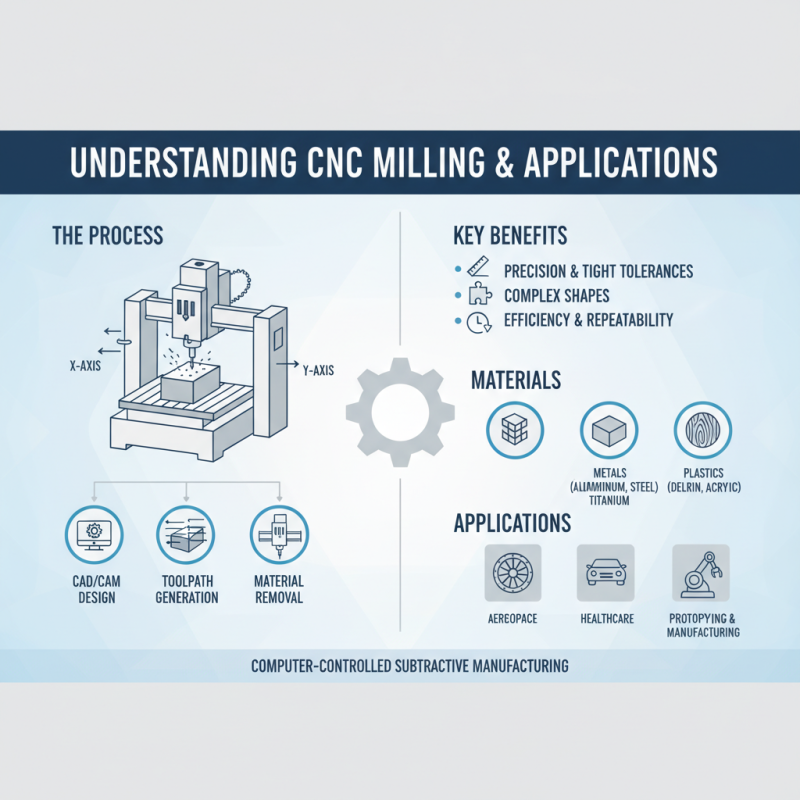
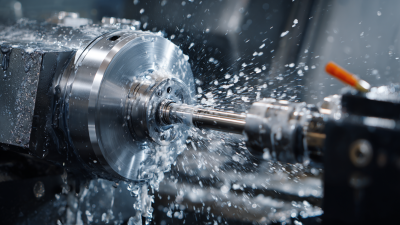
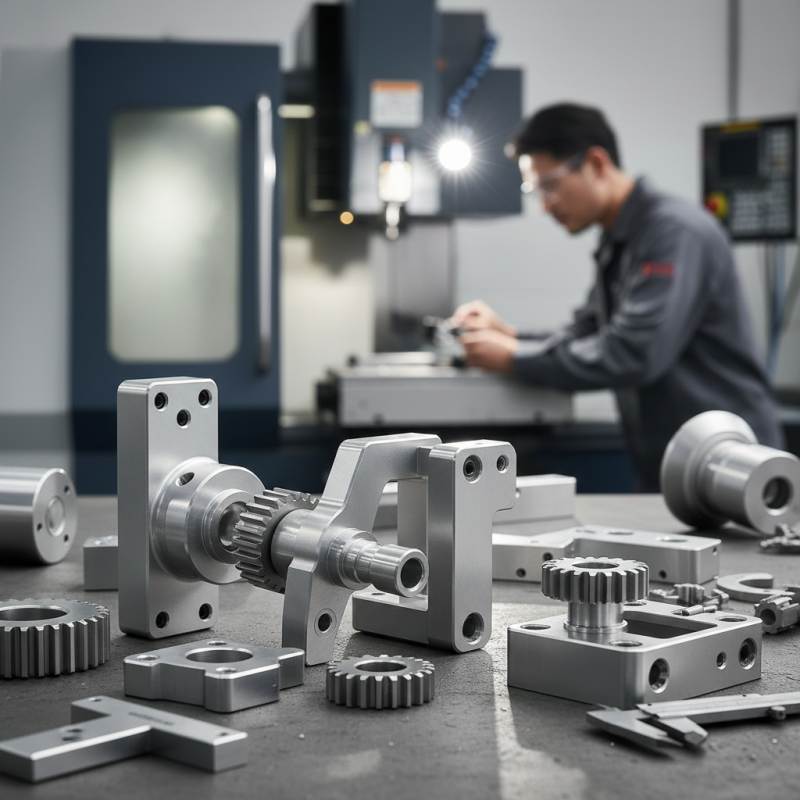
CNC milling is a precise machining process used across various industries. It can create complex shapes and tight tolerances. The technology utilizes computer-controlled machines to remove material from solid blocks of metal, plastic, or wood. This capability makes it essential in sectors like Aerospace, automotive, and healthcare. However, understanding the specifics of CNC milling is vital for effective application.
Different industries require unique milling components tailored to their needs. For example, aerospace components may demand high-strength materials and strict quality standards. Projects in healthcare often involve intricate designs that require precision. This variability means that not all Cnc Milling Services provide the same results. It's crucial to evaluate the expertise of the service provider. Mistakes can lead to costly delays and rework, emphasizing the importance of selecting the right partners.
Moreover, while selecting CNC milling services, consider the technology they use. Older machines may not provide the same precision as newer models. The level of expertise among machinists also plays a crucial role. Not all operators have the same skill level, and the quality of finished products can vary significantly. Reflection on these factors will ensure that you choose the right components for your specific needs.
Key Factors in Selecting Precision CNC Components
When selecting precision CNC milling components, several key factors come into play. Material choice is crucial. Different materials have distinct properties that affect machining performance. For instance, aluminum components often provide a good strength-to-weight ratio, while stainless steel offers superior corrosion resistance. According to the "CNC Machining Market Report 2023," over 60% of manufacturers prefer aluminum for its versatility and cost-effectiveness.
Precision is another critical factor. Tight tolerances ensure parts fit correctly and perform efficiently. Many industry standards, such as ISO 2768, define permissible tolerances for different manufacturing processes. Following these guidelines helps in achieving better compatibility and performance. A slight deviation can lead to wasted resources and increased costs.
The supplier's reputation is significant too. Reliable suppliers often have certifications, such as ISO 9001. These certifications ensure that they follow standardized practices in quality management. According to a 2022 study by the Association for Manufacturing Technology, companies that rely on certified suppliers reported a 30% decrease in production errors. There’s always a risk in component selection, but choosing a knowledgeable partner mitigates many potential issues.
Material Selection for CNC Milling Components
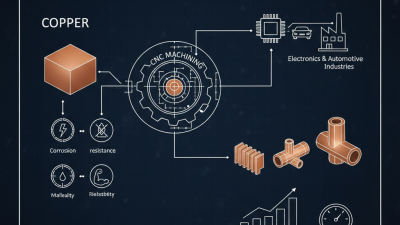
When selecting materials for CNC milling components, consider the component's function and environment. Different applications demand different material properties. For instance, if your component will face high stress, choose durable metals like aluminum or steel. For parts requiring resistance to corrosion, stainless steel is a strong candidate.
Tips: Always request material data sheets from suppliers. These sheets provide vital information about performance and suitability. Evaluate specific grades to ensure they meet your application's needs.
Weight is another factor to consider. Lighter materials, like certain plastics or alloys, can enhance efficiency. However, they may lack strength. Balance strength and weight carefully to achieve the desired result. Remember, not all materials are created equal. Testing prototypes can reveal unforeseen issues.
Tips: Conduct thorough testing on your selected materials. This will help identify potential weaknesses before full-scale production. Small adjustments can prevent costly mistakes down the line. Taking the time to assess materials will improve your final product significantly.
Evaluating Tolerance Requirements for Precision Work
Evaluating tolerance requirements is crucial when selecting CNC milling components. Precision in machining components often reflects a company's ability to meet tight tolerances. According to a report by SME, 80% of machining errors arise from inadequate tolerance specifications. These errors can lead to costly reworks.
Understanding the difference between critical and non-critical tolerances is vital. Critical tolerances are essential for the component's function, affecting assembly and performance. Non-critical tolerances, while important, can allow for more variability. A detailed study from the American Society of Mechanical Engineers indicates that overlooking these distinctions can result in a 30% decrease in efficiency.
Machinists must have a solid grasp of their tolerance requirements. This practice reduces waste and improves overall production accuracy. However, achieving perfect tolerances is often challenging. Operators should continually assess their methods. Regular updates to tolerance specifications may enhance reliability but can also increase production costs. In this complex landscape, finding the right balance is essential for the success of CNC milling projects.
How to Choose Precision CNC Milling Components for Your Needs? - Evaluating Tolerance Requirements for Precision Work
| Component Type | Material | Tolerance Level (mm) | Application |
| CNC Machined Part | Aluminum 6061 | ±0.01 | Aerospace Components |
| CNC Turned Component | Stainless Steel 304 | ±0.005 | Medical Devices |
| Precision Gear | Brass | ±0.002 | Robotics |
| Custom Bracket | Carbon Steel | ±0.1 | Industrial Machinery |
| Subframe Assembly | Aluminum Alloy | ±0.02 | Automotive |
Assessing Cost vs. Quality in CNC Component Sourcing
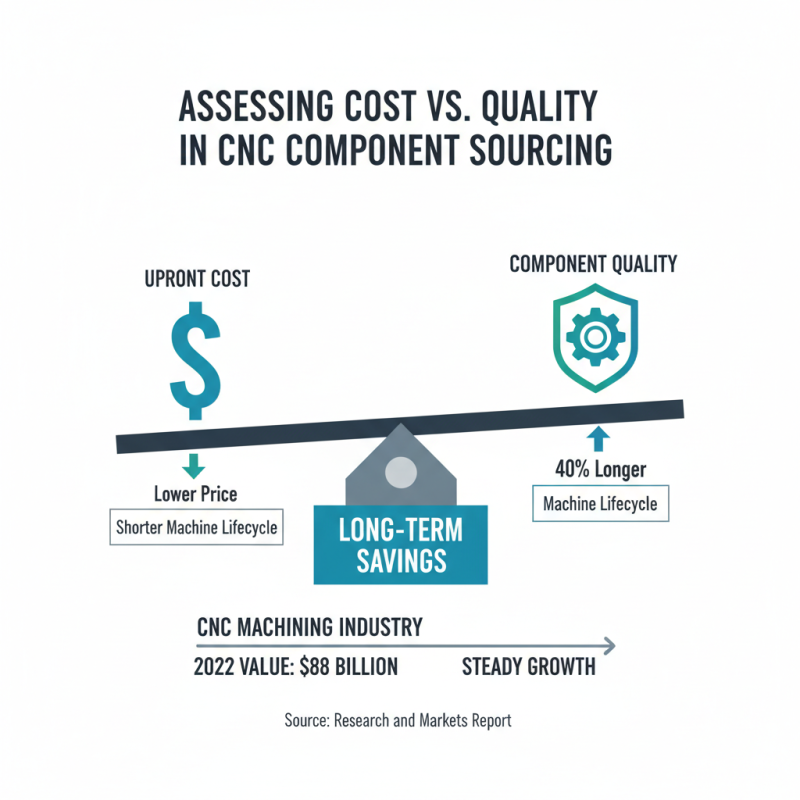
When sourcing CNC milling components, the balance between cost and quality is crucial. The CNC machining industry, valued at approximately $88 billion in 2022, is expected to grow steadily. A report by Research and Markets indicates that quality components can increase the lifecycle of a machine by up to 40%. This means spending more upfront can lead to significant long-term savings.
However, not all high-cost components guarantee better performance. Some suppliers offer premium pricing without delivering increased precision. Studies show that around 20% of customers experience unsatisfactory results when they rely solely on price. It's essential to evaluate options carefully. Look for suppliers who provide detailed specifications and performance data. Seek components that have undergone rigorous testing.
Additionally, blemishes in some cheap components may go unnoticed until it's too late. The defect rates can impact production cycles heavily. It's essential to focus on suppliers with a proven track record and quality certifications. A combination of reliability and fair pricing usually yields the best results. Balancing cost and quality ensures you get the components that meet your specific needs. This demands diligence and, often, a willingness to invest in more than just the lowest price on the market.
Supplier Reliability and Support in CNC Component Procurement
When procuring Cnc Machined Milling Parts, supplier reliability is crucial. A dependable supplier doesn’t just provide quality components; they offer consistent support and service. According to industry research, 73% of manufacturers prioritize supplier reliability when choosing CNC components. This statistic highlights the importance of a supplier’s commitment to maintaining quality and delivering on time.
Evaluating a supplier's experience and expertise can guide your decision. Look for suppliers with a proven track record in CNC machining. Many manufacturers prefer suppliers who have been in the industry for over a decade. In these cases, the experience often translates into better insight into design and engineering challenges. Communication is vital, too. A responsive supplier can address issues swiftly, which is essential when deadlines loom.
You should consider potential shortcomings, as not all suppliers meet their promises. Some may excel in specific features but lack versatility. For instance, a supplier might be great at creating custom designs but struggle with bulk orders. Relying solely on one supplier could lead to vulnerabilities. Always evaluate multiple options and ensure your supplier can adapt to changing business needs. Ultimately, supplier reliability and support can significantly affect the success of your CNC machining projects.
Maintenance Considerations for CNC Milling Components
When selecting CNC milling components, maintenance should be a key focus. Regular upkeep can extend the lifespan of your CNC milling marine parts. It’s essential to establish a routine that includes cleaning and lubrication. Dirt and debris buildup can lead to malfunctions. Using the right cleaning agents can prevent corrosion and improve performance.
Inspecting components for wear and tear is crucial. Look for signs of fatigue, such as tiny cracks. These can be easy to miss but can cause significant issues later. Regularly check your CNC milling marine parts to identify potential problems early. Keeping an eye on alignment and calibration ensures precision in production.
Documentation of maintenance activities cannot be overlooked. Keeping logs allows you to track what has been done and when. This can help in identifying patterns of wear or recurring issues. Adjusting your maintenance schedule based on these insights can enhance efficiency, but occasional oversights can happen. Reflecting on past experiences helps in refining these processes and ensuring consistent quality.
Enhancing Efficiency in Food Processing: A Data-Driven Analysis of CNC Milling Parts Market Trends and Applications
The modern food processing industry relies heavily on advanced machinery, where the precision and efficiency of CNC milling parts play a pivotal role. As food production requirements become increasingly stringent, the demand for precision-cut specialized components is on the rise. According to recent reports, the global CNC milling machine market is projected to grow at a compound annual growth rate (CAGR) of 6.5% over the next five years, underscoring the critical role these parts play in food processing applications. CNC milling parts ensure that machinery operates with high reliability and efficiency, from cutting and mixing to packaging and handling processes.
The data-driven analysis reveals that CNC machines cut each component to meet high-performance standards required in various food production tasks. These parts are designed to withstand the demands of high-use activities while ensuring secure operation, which is crucial in maintaining safety and hygiene in food processing environments. Reports indicate that the integration of smart technology within CNC milling processes is enhancing operational effectiveness, allowing for real-time monitoring and adjustments that further streamline production efficiency.
With the industry's focus shifting towards automation and increased productivity, the significance of CNC milling parts cannot be overstated. As manufacturers invest in sophisticated machinery, the need for high-quality components designed for optimal performance will continue to rise, leading to innovations that not only enhance production efficiency but also ensure compliance with rigorous food safety standards.
FAQS
: CNC milling is a precise machining process that removes material from solid blocks.
It creates complex shapes and tight tolerances, essential for sectors like aerospace and healthcare.
Evaluate the provider's expertise and technology. Skill levels can significantly affect product quality.
Select materials based on their function. Durable metals are best for high-stress applications.
Lighter materials can improve efficiency but may lack the necessary strength for some applications.
Yes, testing prototypes can reveal weaknesses. Small adjustments can prevent larger issues.
Request material data sheets to evaluate performance and specific grades meeting your application’s needs.
Don't overlook the machining expertise and technology used. Quality can vary between providers.
Yes, older machines may not provide the same level of precision as newer models.
Different industries have unique requirements, and missteps can lead to costly delays and rework.
Conclusion
In today's manufacturing landscape, choosing the right precision CNC milling components is crucial for achieving optimal results in various applications. Understanding CNC milling involves recognizing its capabilities and the specific needs of your projects. Key factors to consider when selecting precision components include material selection, which impacts durability and performance, and tolerance requirements, critical for ensuring precise machining. Balancing cost and quality is essential, as investing in high-quality components can lead to long-term benefits.
Additionally, assessing supplier reliability and support plays a significant role in the procurement process. Effective collaboration with dependable suppliers can enhance project efficiency and reduce production risks. Finally, maintenance considerations are vital for the longevity of CNC milling components, ensuring that they continue to perform at their best throughout their service life. By carefully evaluating these factors, manufacturers can optimize their production processes and achieve superior outcomes with precision CNC milling components.